The Evolution of NVIDIA DLSS
A comprehensive technical breakdown of NVIDIA Deep Learning Super Sampling evolution — from early DLSS 1 AI Super Sampling to DLSS 5 Neural Rendering.
From AI-Powered Upscaling to Full-Pipeline Neural Rendering
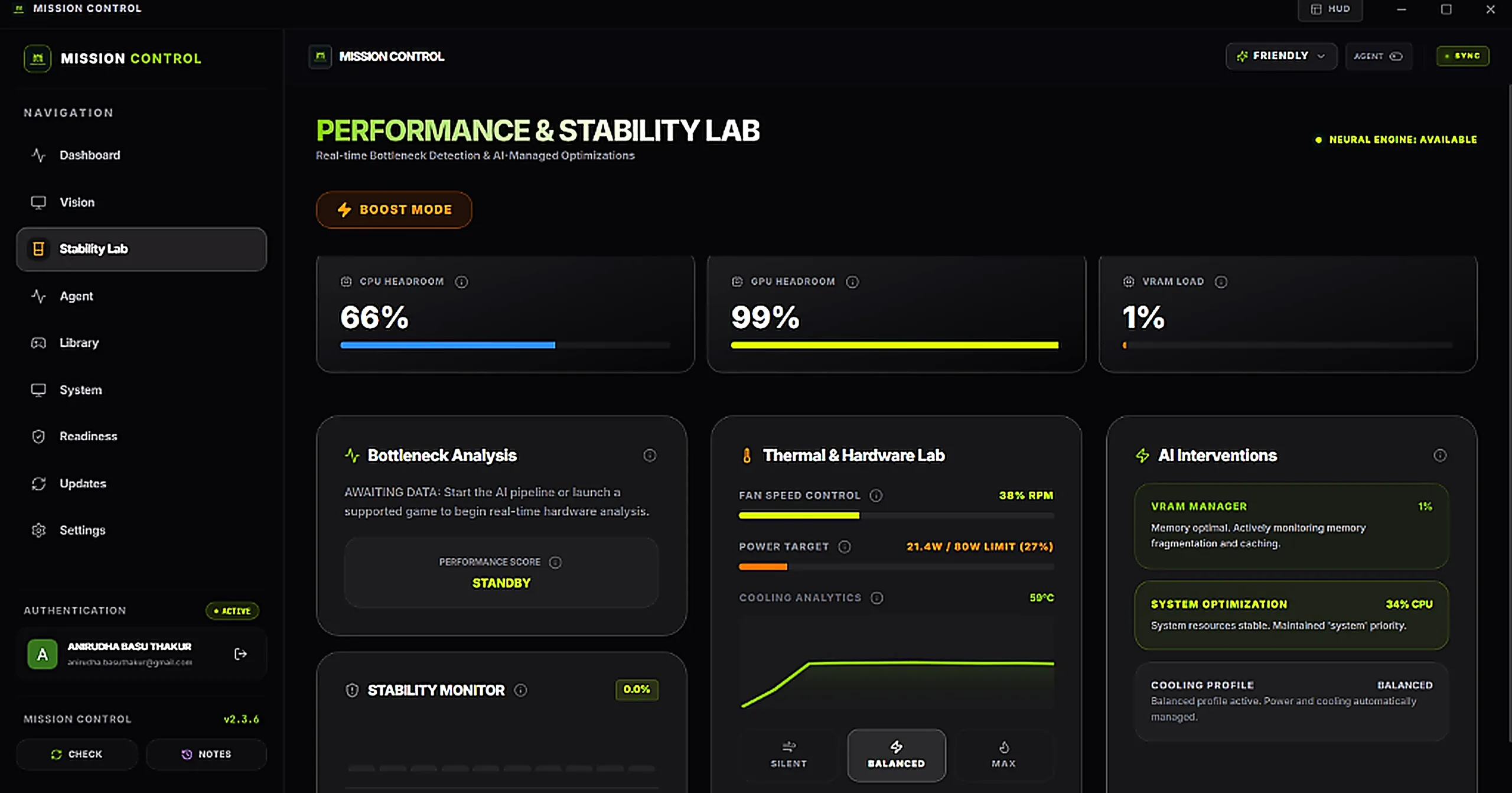
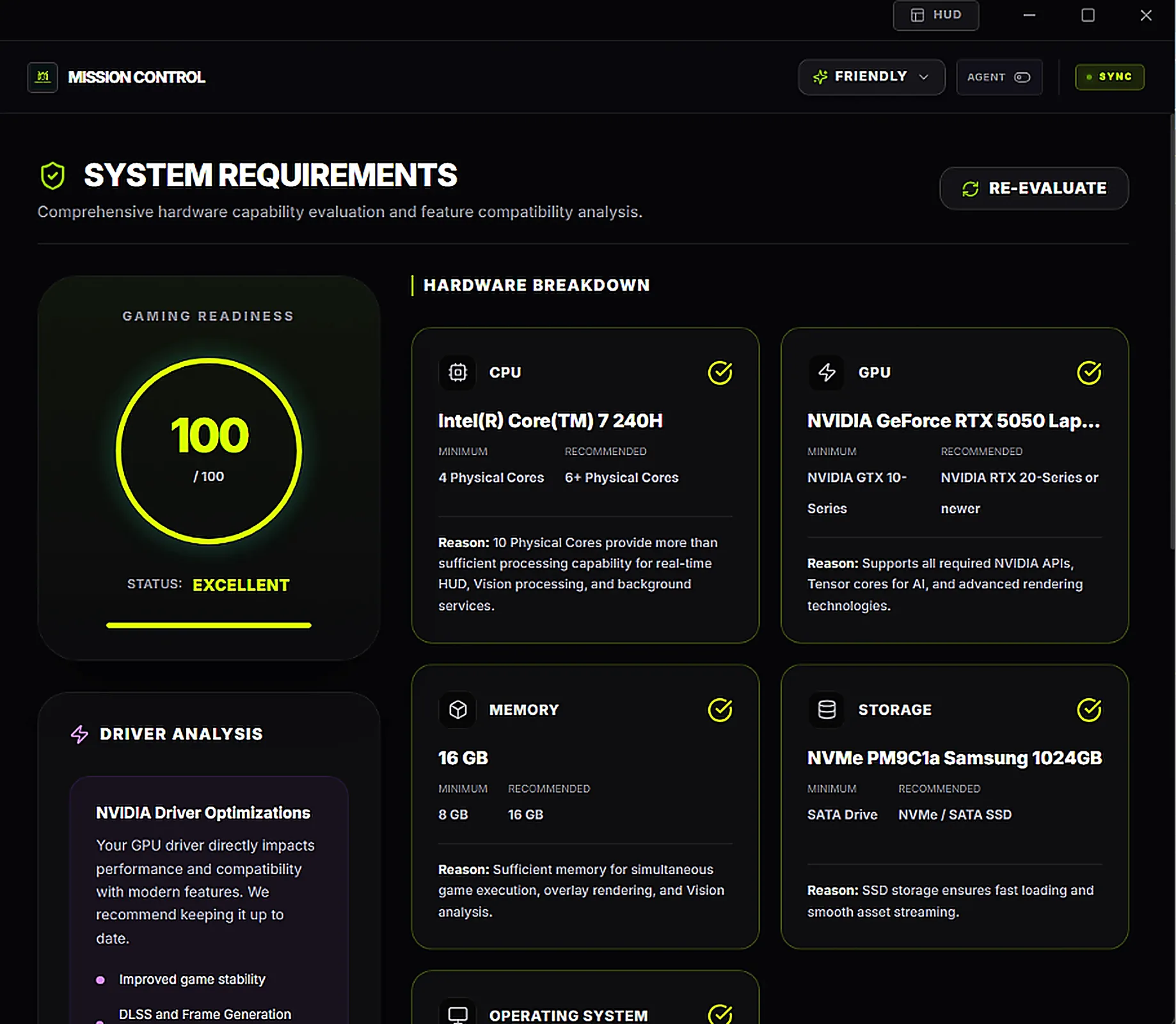
| 🔬 Performance Tuning Lab | ⚡ AI Hardware Readiness Matrix |
|---|---|
 |  |
NVIDIA Deep Learning Super Sampling (DLSS) is a revolutionary suite of neural rendering technologies powered by dedicated hardwareTensor Coreson GeForce RTX GPUs. Over six generations, DLSS has evolved from resolution upscaling to multi-frame neural generation and real-time ray reconstruction.
DLSS Architectural Matrix
| Generation | Introduced Tech | Primary Tensor Hardware | Max Frame Multiplier | Ray Tracing AI Denoiser | Target GPUs |
|---|---|---|---|---|---|
| DLSS 1.0 | Per-Game Super Sampling | 1st-Gen Tensor Cores | 1.0x (Standard) | Hand-tuned Denoisers | RTX 20 Series |
| DLSS 2.0 | Universal Super Resolution | 2nd/3rd-Gen Tensor Cores | 1.0x (Standard) | Hand-tuned Denoisers | RTX 20 / 30 Series |
| DLSS 3.0 | AI Frame Generation | Optical Flow + 4th-Gen Tensor | 2.0x | Hand-tuned Denoisers | RTX 40 Series |
| DLSS 3.5 | Ray Reconstruction (RR) | 4th-Gen Tensor Cores | 2.0x | AI Ray Reconstruction | RTX 20 / 30 / 40 Series |
| DLSS 4.0 | Multi Frame Generation (MFG) | Transformer + 5th-Gen Tensor | 4.0x | AI Ray Reconstruction | RTX 50 Series |
| DLSS 4.5 | Dynamic Multi Frame Gen | 2nd-Gen Transformer Super Res | 6.0x | AI Ray Reconstruction | RTX 50 Series |
| DLSS 5.0 | Full Neural Rendering Pipeline | Neural Rendering Engine | Native Neural | Full Neural Material Synthesis | Next-Gen RTX (Fall 2026) |
1. DLSS 1.0 — AI Super Sampling (2018)
What Changed: Introduced deep-learning frame reconstruction using game-specific AI supercomputer training.
- Core Technology: 1st-Gen Tensor Cores on Turing architecture (
RTX 2080 Ti,RTX 2080,RTX 2070). - Architectural Flow: Lower-resolution frames (e.g. 1080p) were processed through a trained neural network running on Tensor Cores to reconstruct a 1440p or 4K output frame.
- Impact: Proved that AI hardware acceleration could increase rendering performance without degrading image fidelity.
2. DLSS 2.0 — AI Super Resolution (2020)
What Changed: Replaced game-specific AI models with a single, universal deep-learning network utilizing temporal motion vectors.
- Core Technology: Temporal feedback, motion vectors, and 2nd/3rd-Gen Tensor Cores (
Ampere / Turing). - Key Advancements:
- Universal Model: Trained on offline supercomputers with thousands of 16K images across diverse game engines.
- Multi-Quality Modes: Introduced
Quality,Balanced,Performance, andUltra Performancemodes. - Temporal Reconstruction: Combined frame-to-frame pixel history with motion vectors to resolve sharp edges and fine geometric detail.
3. DLSS 3.0 — AI Frame Generation (2022)
What Changed: Introduced Frame Generation, constructing entirely new intermediate frames between traditionally rendered raster frames using AI.
- Core Technology: Optical Flow Accelerator (OFA) + 4th-Gen Tensor Cores (
Ada Lovelace) + NVIDIA Reflex. - How It Works:
- The Optical Flow Accelerator analyzes sequential frames to track pixel direction, velocity, and sub-pixel particle movement.
- The DLSS Frame Generation neural network synthesizes an intermediate 60 FPS -> 120 FPS AI frame in real-time.
- NVIDIA Reflex synchronizes CPU and GPU queues to eliminate input latency penalty.
Mission Control auto-enablesNVIDIA Reflex Boostalongside DLSS Frame Generation to ensure sub-15ms system input response even when generating multiple AI frames.
4. DLSS 3.5 — Ray Reconstruction (2023)
What Changed: Replaced multiple hand-tuned ray-tracing denoisers with an AI-powered Ray Reconstruction neural model trained on 5x more supercomputer data than DLSS 3.
- Core Technology: Deep-learning spatial-temporal denoiser model trained on offline path-traced rendering data.
- Key Benefits:
- Color & Detail Preservation: Replaces hand-crafted denoisers that caused ghosting or blurry ray-traced reflections.
- Full RT Coverage: Enhances Path Tracing, Global Illumination, Specular Reflections, and Ambient Occlusion simultaneously.
5. DLSS 4.0 & 4.5 — Multi Frame Generation (2025)
What Changed: Introduced Multi Frame Generation (MFG) powered by 5th-Gen Tensor Cores and Transformer-based super-resolution models.
- DLSS 4.0: Generates up to 3 AI frames per traditionally rendered frame (4x total frame rate multiplier).
- DLSS 4.5: Introduced Dynamic Multi Frame Generation utilizing 2nd-gen Transformer networks to dynamically adjust frame generation based on motion complexity, delivering up to 5 AI frames per rendered frame (6X frame rate scaling).
6. DLSS 5.0 — Neural Rendering & Neural Studio (v3.9.0)
What Changed: Moves beyond frame upscaling and reconstruction to full real-time Neural Material & Light Rendering, paired with the interactive DLSS 5.0 Neural Studio in Mission Control.
- Core Technology: Neural graphics pipeline integrated directly into ray tracing shaders and hardware Tensor Cores.
- Photorealistic Synthesis: Replaces traditional texture filtering and raster micro-detail pipelines with deep neural material models, synthesizing surface micro-geometry, volumetric scattering, subsurface subsurface scattering, and specular bounce paths in a single neural pass.
🎨 DLSS 5.0 Neural Rendering Aesthetic Styles
Mission Control provides 5 tailored neural style grades that bias the shader reconstruction models in real-time:
- Cinematic Photoreal: Natural color temperature, physically accurate indirect diffuse bounces, and high dynamic range tonemapping.
- Cyberpunk Hyper-Neon: Vibrant specular emission, heightened chromatic dispersion, and high-contrast ambient bloom.
- Ethereal Atmospheric: Soft volumetric haze, diffused godrays, and subtle bloom across high-luminance surfaces.
- Gritty Tactical High-Contrast: Deep shadows, sharpened ambient occlusion crevices, and desaturated midtones optimized for competitive target acquisition.
- Anime Cell-Shaded: Sharp neural edge delineation, quantized color banding, and stylized specular highlights.
🎛️ Fine-Tuning Intensity Sliders
Fine-tune the neural reconstruction pipeline with precision controls in Settings → DLSS 5.0 Neural Studio:
- Global Style Weight (0–100%): Scales the influence of the selected aesthetic style model against standard baseline rendering.
- Neural Denoiser Aggressiveness: Controls spatial-temporal filtering strength across ray-traced noisy regions.
- Material Specular Sharpness: Modulates microfacet normal variance for specular reflections and glossy highlights.
- Temporal Coherence Bias: Balances between temporal stability (zero shimmering) and sub-pixel motion responsiveness.
⚡ Dynamic Multi Frame Generation (Dynamic MFG)
DLSS 5.0 in Mission Control features 5 dynamic frame generation modes:
- Adaptive Dynamic (AI-Governed): Dynamically scales multiplier between 2x and 6x based on motion complexity and display refresh rate.
- 2x Balanced: 1 generated frame per rendered frame with standard latency profile.
- 3x Performance: 2 generated frames per rendered frame.
- 4x Ultra Performance: 3 generated frames per rendered frame.
- 6x Hyper Scaling: 5 generated frames per rendered frame, designed for ultra-high refresh rate displays (240Hz–540Hz).
🖥️ Target Resolution & Input Preparation (prepare_nr_input)
Pre-processes frame buffers prior to neural reconstruction to maximize tensor throughput:
- Available Targets: 1080p, 1440p, 4K UHD, 8K Ultra, and Custom aspect ratio constraints.
- Advanced Engine Toggles:
- Neural Texture Streaming: Streams compressed neural weight slices to VRAM on demand.
- Hardware Telemetry Hook: Direct NVML/TensorRT sampling for real-time inference latency reporting.
- Asynchronous Optical Flow Queue: Dispatches vector generation to dedicated hardware queues to prevent compute pipeline stalls.